Sign up for our newsletter to get 10% off for the week!

Why Soft & Breathable Baby Clothes Matter

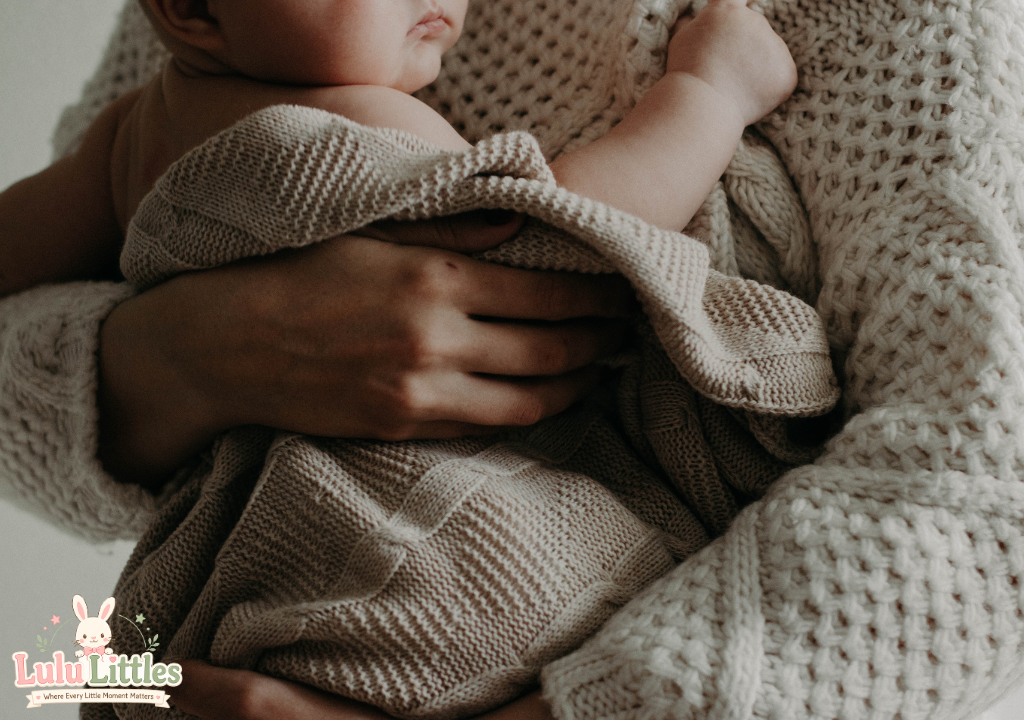
Choosing the right baby clothing is not just about style or appearance. It directly affects your baby’s comfort, skin health, and overall well-being. Since newborns have sensitive skin and cannot regulate body temperature efficiently, the type of fabric you choose plays a major role in their daily comfort.
This guide explains why breathable baby clothes and soft baby outfits are essential, and how the right choices improve both comfort and safety.
Why Fabric Choice Matters for Babies
A baby’s skin is thinner and more sensitive than adult skin. This makes it more vulnerable to irritation, overheating, and discomfort caused by rough or synthetic materials.
Choosing comfortable baby clothing helps:
- Prevent skin irritation and rashes
- Maintain healthy body temperature
- Improve sleep quality
- Reduce discomfort during movement and feeding
Fabric is not just a design choice; it is a health factor for babies.
The Importance of Breathable Baby Clothes
Breathable fabrics allow air to circulate freely through the material. This helps regulate temperature and reduces the risk of overheating, especially in newborns.
Benefits of breathable baby clothes:
- Prevents excessive sweating
- Reduces risk of heat rash
- Helps maintain stable body temperature
- Keeps skin dry and healthy
Babies are more likely to become uncomfortable quickly if their clothing traps heat or moisture. That is why breathable fabrics are recommended for daily wear.
Why Soft Baby Outfits Are Essential
Softness is one of the most important factors in baby clothing. Since newborn skin is delicate and sensitive, rough textures can easily cause irritation or redness.
Benefits of soft baby outfits:
- Gentle on sensitive skin
- Prevents friction-related rashes
- Provides comfort during sleep
- Supports natural movement without restriction
Soft clothing is especially important for long hours of wear, such as sleep or travel.
Skin Sensitivity in Newborns
Newborn skin is still developing during the first months of life. It is thinner, more absorbent, and more reactive than adult skin.
This means babies are more sensitive to:
- Synthetic fibers
- Harsh detergents
- Tight or rough clothing seams
- Overheating caused by non-breathable fabrics
That is why selecting the right materials is essential for protecting their skin barrier.
Best Fabrics for Comfortable Baby Clothing
Not all fabrics are suitable for infants. Some materials naturally provide better comfort and safety than others.
Recommended fabrics:
- Cotton: soft, breathable, and widely safe for all seasons
- Organic cotton: chemical-free and ideal for sensitive skin
- Bamboo fabric: naturally temperature-regulating and smooth
- Muslin: lightweight and highly breathable for warm climates
These materials are commonly used in high-quality baby clothing because they balance softness and airflow.
Fabrics to Avoid for Babies
Some fabrics may look stylish but are not ideal for newborn comfort.
Avoid:
- Polyester-heavy fabrics (trap heat and reduce airflow)
- Rough wool (can irritate sensitive skin)
- Tight synthetic blends (reduce breathability)
- Stiff materials that restrict movement
Even small amounts of synthetic material can affect comfort during long wear.
How Breathable Clothing Improves Sleep
Sleep is one of the most important parts of a baby’s development. Clothing plays a direct role in sleep quality.
Breathable and soft fabrics help:
- Prevent overheating during sleep
- Reduce nighttime wake-ups caused by discomfort
- Maintain a stable sleeping temperature
- Support longer, more restful sleep cycles
Comfortable clothing can make a noticeable difference in sleep patterns.
Practical Tips for Choosing Baby Clothing
When selecting baby clothes, focus on comfort and function rather than design alone.
Simple guidelines:
- Choose soft textures over decorative designs
- Prioritize breathable fabrics for daily wear
- Check seams and tags for irritation points
- Avoid overly tight outfits
- Wash new clothes before first use
Small details can significantly affect how comfortable your baby feels throughout the day.
Comfort, Safety, and Skin Health Connection
There is a strong link between clothing and overall baby well-being. The right clothing supports:
- Skin protection
- Temperature regulation
- Emotional comfort
- Better sleep and feeding routines
This is why comfortable baby clothing is not optional—it is essential for healthy early development.
Final Thoughts
Understanding the importance of breathable baby clothes and soft baby outfits helps parents make smarter and safer clothing decisions. Since babies have highly sensitive skin and developing temperature control systems, fabric choice becomes one of the most important parts of daily care.
By focusing on soft, breathable, and skin-friendly materials, parents can ensure maximum comfort, better sleep, and healthier skin for their baby.