Sign up for our newsletter to get 10% off for the week!

Baby Clothing Essentials Every New Parent Needs

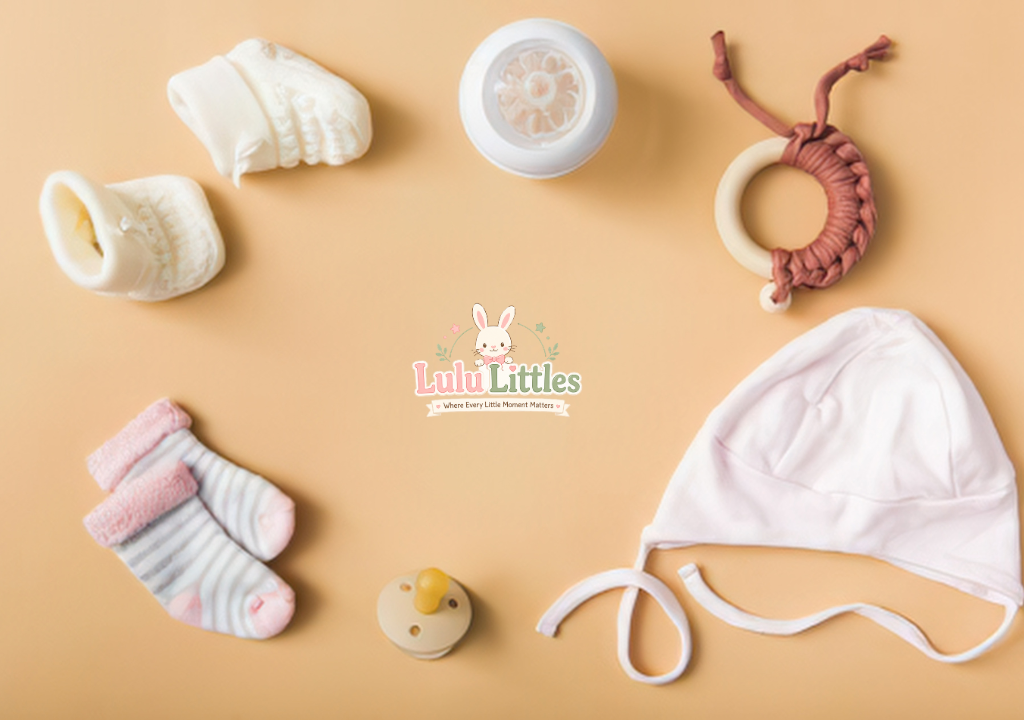
Preparing for a baby can feel overwhelming, especially when you walk into a store and see hundreds of tiny clothing options. The truth is, newborns do not need a large wardrobe. They need a carefully chosen set of practical, comfortable, and safe clothing items.
This guide breaks down the baby clothing essentials every new parent should have, along with a practical newborn essentials checklist to help you avoid unnecessary purchases and focus only on what matters.
Why Baby Clothing Essentials Matter
New parents often overbuy clothing items that babies never use or outgrow too quickly. At the same time, missing key essentials can create daily stress during feeding, diaper changes, and sleep routines.
A well-planned list of must-have baby clothes ensures:
- Easier daily care and dressing
- Better comfort for the baby
- Fewer unnecessary expenses
- Smooth transition through early newborn months
The goal is not quantity, but practicality.
Newborn Essentials Checklist (Core Clothing Items)
Below is a simple and practical checklist that covers everything a newborn actually needs in the first 0–3 months.
1. Bodysuits (6–8 pieces)
Bodysuits are the foundation of any newborn wardrobe.
Why they matter:
- Easy diaper access
- Comfortable for sleep and movement
- Can be used as a single layer or base layer
Choose both short-sleeve and long-sleeve options depending on climate.
2. Sleepers / Footed Pajamas (5–7 pieces)
Sleepers are one of the most important baby clothing essentials.
Benefits:
- Keeps baby warm during sleep
- Eliminates need for separate socks
- Easy one-piece outfit for nighttime changes
Look for zippered designs for easier diaper changes at night.
3. Soft Cotton Pants (4–6 pairs)
Simple cotton pants help in layering outfits.
Why they are useful:
- Can be paired with bodysuits or tops
- Comfortable for daytime wear
- Good for seasonal adjustments
Neutral colors are practical since they match multiple outfits.
4. Hats (2–3 pieces)
Newborns lose heat quickly through their heads.
Types to include:
- Lightweight cotton hats for indoor use
- Warmer knit hats for outdoor use
Hats are especially important in the first few weeks.
5. Socks and Mittens (6–8 pairs each)
Small items, but very important.
Socks:
- Keep feet warm in all seasons
- Prevent heat loss
Mittens:
- Protect baby from scratching their face
- Keep hands warm
It is common for these to get lost, so extra pairs are helpful.
6. Swaddle Blankets (3–5 pieces)
Swaddling helps newborns feel secure and sleep better.
Benefits:
- Reduces startle reflex during sleep
- Promotes longer sleep cycles
- Provides comfort and warmth
Choose breathable cotton or muslin fabric for safety.
7. Light Jackets or Cardigans (2–3 pieces)
Useful for layering during colder weather or air-conditioned environments.
Why they are important:
- Easy to put on and remove
- Helps adjust temperature quickly
- Works well for outdoor travel
8. Special Occasion Outfit (1–2 pieces)
Not essential for daily use, but useful for photos or family events.
Keep it simple, soft, and comfortable.
Fabric Guide for Baby Clothing Essentials
Choosing the right fabric is just as important as choosing the right items.
Best options:
- Cotton (soft, breathable, safe for daily use)
- Bamboo fabric (temperature regulating)
- Muslin (lightweight and airy)
Avoid:
- Rough synthetic materials
- Heavy fabrics that trap heat
- Tight clothing that restricts movement
Comfort should always come first.
How Many Clothes Does a Newborn Actually Need?
A simple breakdown for the first 0–3 months:
- 6–8 bodysuits
- 5–7 sleepers
- 4–6 pants
- 6–8 socks and mittens
- 3–5 swaddles
- 2–3 hats
- 2–3 layering pieces
This is enough for regular washing cycles without overbuying.
Common Mistakes New Parents Make
1. Buying too many newborn sizes
Babies grow quickly. Many newborn clothes are worn only a few times.
2. Ignoring season planning
Buying heavy winter clothes for a summer baby (or vice versa) leads to waste.
3. Choosing style over comfort
Fashionable outfits are often less practical for diaper changes and sleep.
4. Overlooking fabric quality
Low-quality fabric can irritate sensitive newborn skin.
Practical Tips for First-Time Parents
- Stick to simple, functional clothing
- Choose easy-access designs (zippers, snap buttons)
- Keep laundry frequency in mind
- Always prioritize comfort over appearance
- Buy in small batches instead of bulk shopping
Final Thoughts
Building the right set of baby clothing essentials does not require buying everything available in stores. A simple, well-planned newborn essentials checklist is enough to cover your baby’s needs comfortably and safely.
Focus on must-have baby clothes that are practical, breathable, and easy to manage. This not only saves money but also makes daily newborn care much easier and stress-free.