Sign up for our newsletter to get 10% off for the week!

Ultimate Baby Clothing Guide for New Parents

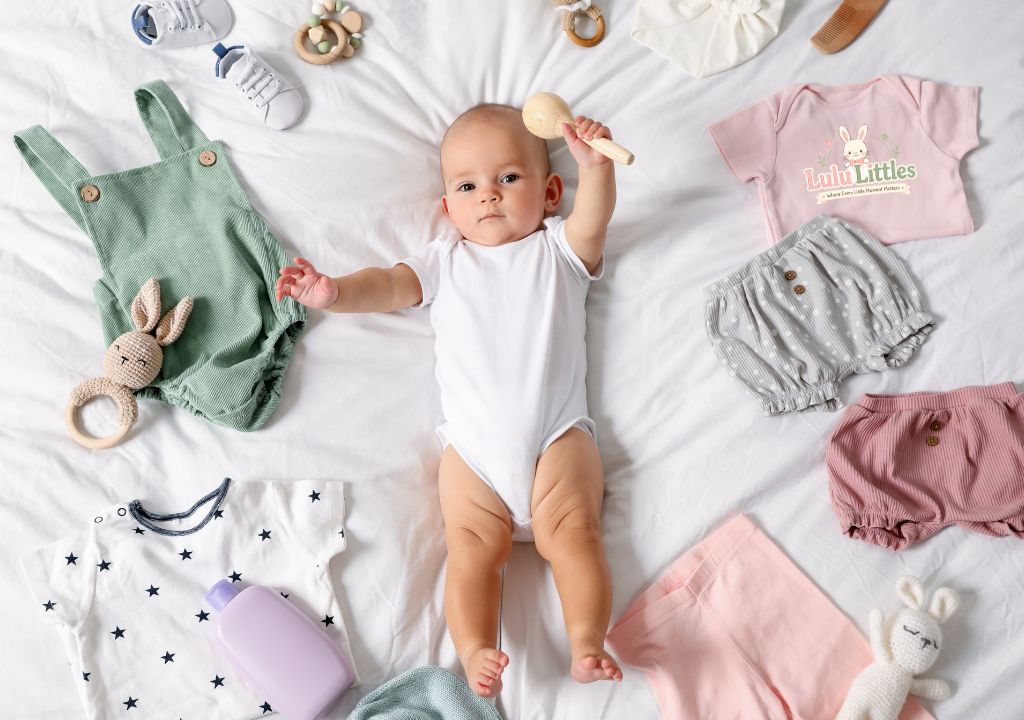
Bringing home a new baby is one of life’s most exciting experiences. Along with the joy and excitement comes a long checklist of essentials, and baby clothing is often one of the first things parents start shopping for.
For new parents, choosing baby clothes can feel overwhelming at first. There are so many sizes, fabrics, styles, and seasonal options to consider. The good news is that building a comfortable and practical baby wardrobe does not need to be complicated.
In this ultimate baby clothing guide, we will walk through everything new parents should know about baby clothes, newborn clothing essentials, fabrics, sizing, seasonal outfits, and tips for choosing comfortable everyday babywear.
Why Choosing the Right Baby Clothes Matters
Babies have delicate and sensitive skin, which means clothing plays an important role in their daily comfort. The right baby clothing helps keep your little one warm, comfortable, safe, and happy throughout the day.
Good baby clothes should be:
- Soft and breathable
- Comfortable for movement
- Easy to put on and remove
- Gentle on sensitive skin
- Durable and easy to wash
- Suitable for the season and weather
Comfort should always come first when building a baby wardrobe.
Baby Clothing Essentials Every New Parent Needs
One of the biggest mistakes many parents make is buying too many clothes in one size or purchasing items that are not practical for everyday use.
Instead, focus on versatile essentials your baby will actually wear often.
Bodysuits and Onesies
Bodysuits are one of the most important newborn clothing essentials. Babies wear them daily, and they work well as both standalone outfits and layering pieces.
Look for:
- Soft cotton fabrics
- Snap closures for easy diaper changes
- Stretchy neck openings
- Breathable materials
Most parents find that short-sleeve and long-sleeve bodysuits are equally useful depending on the season.
Growsuits and Sleepers
Growsuits are perfect for newborns and infants because they provide full-body comfort while keeping babies warm and cozy.
These are ideal for:
- Sleep
- Naps
- Lounging
- Everyday wear
Zipper growsuits are especially convenient for nighttime diaper changes.
Baby Pants and Leggings
Soft pants or leggings help babies stay comfortable while allowing free movement.
Choose styles with:
- Elastic waistbands
- Stretchy fabrics
- Soft seams
- Lightweight breathable materials
Avoid anything too tight around the waist or legs.
Pajamas and Sleepwear
Comfortable sleepwear is essential for healthy sleep routines.
When choosing baby pajamas:
- Prioritize breathable fabrics
- Avoid rough materials
- Select comfortable fits
- Consider seasonal temperatures
Many parents prefer footed pajamas during colder months to keep babies warm overnight.
Socks and Hats
Babies lose heat quickly, especially newborns.
Soft socks and lightweight hats can help regulate body temperature and keep little ones comfortable during colder days or outdoor trips.
Swaddles and Blankets
Swaddles provide warmth and security for newborns during sleep and rest time.
Look for:
- Breathable fabrics
- Lightweight materials
- Comfortable stretch
- Easy wrapping designs
Best Fabrics for Baby Clothes
Fabric choice is one of the most important parts of choosing baby clothing.
Since babies have sensitive skin, soft and breathable materials are usually the best option.
Cotton
Cotton is one of the most popular fabrics for baby clothing because it is:
- Soft
- Breathable
- Gentle on skin
- Comfortable for daily wear
- Easy to wash
Organic cotton is especially popular among parents looking for natural materials.
Bamboo Fabric
Bamboo baby clothes have become increasingly popular because they are:
- Ultra-soft
- Lightweight
- Moisture-wicking
- Breathable
Many parents love bamboo fabrics for pajamas and sleepwear.
Fleece
Fleece works well during colder seasons because it provides extra warmth.
However, it may not be ideal for hot weather since it can trap heat.
How Many Baby Clothes Do You Really Need?
New parents often overbuy baby clothes in the beginning.
A practical starter wardrobe usually includes:
- 7 to 10 bodysuits
- 5 to 7 growsuits
- 4 to 6 pairs of pants
- 2 to 4 pajamas
- Several socks and hats
- A few swaddles or blankets
Babies grow quickly, so it is usually best not to buy too many clothes in newborn sizes.
How to Choose the Right Baby Clothing Size
Baby clothing sizes can vary between brands, which sometimes makes shopping confusing.
Common size categories include:
- Newborn
- 0–3 months
- 3–6 months
- 6–12 months
Instead of focusing only on age labels, check:
- Weight recommendations
- Height recommendations
- Stretch and fit
- Fabric flexibility
When in doubt, slightly larger sizes often work better since babies grow quickly.
Dressing Babies for Different Seasons
Summer Baby Clothing Tips
During warmer months:
- Choose lightweight cotton clothing
- Use breathable fabrics
- Avoid overdressing
- Select short-sleeve bodysuits
- Keep layers minimal
Winter Baby Clothing Tips
In colder weather:
- Layer clothing comfortably
- Use warm growsuits
- Add hats and socks
- Use soft jackets or outer layers
- Avoid overheating indoors
Layering is usually the best approach for winter baby outfits.
What to Avoid When Buying Baby Clothes
Not all baby clothes are equally practical.
Try to avoid:
- Rough or itchy fabrics
- Complicated buttons or fasteners
- Tight elastic bands
- Heavy materials
- Uncomfortable seams
- Clothing that is difficult to change quickly
Practicality matters just as much as style for everyday babywear.
Baby Clothing Tips for First-Time Parents
Prioritize Comfort Over Fashion
Cute outfits are fun, but comfort should always come first.
Babies spend most of their time:
- Sleeping
- Feeding
- Lounging
- Moving gently
Soft, cozy clothing usually works best.
Buy Easy-to-Wash Clothing
Babies create lots of laundry.
Look for machine-washable fabrics that maintain softness after repeated washing.
Keep Layering Simple
Simple layering helps parents adjust clothing easily throughout the day, depending on weather and temperature changes.
Building a Comfortable Baby Wardrobe
A thoughtful baby wardrobe does not need to be huge or complicated.
Focus on:
- Soft essentials
- Comfortable fabrics
- Practical designs
- Seasonal comfort
- Everyday versatility
As your baby grows, your clothing needs will naturally change too.
Final Thoughts
Choosing baby clothes becomes much easier once you focus on comfort, practicality, and everyday functionality.
The best baby clothing helps little ones feel cozy, comfortable, and free to move while making life easier for parents at the same time.
From soft bodysuits and cozy growsuits to breathable fabrics and simple layering, building the right baby wardrobe is all about creating comfort for everyday little moments.
At Lulu Littles, we believe every little moment matters, and comfortable baby essentials can make those moments even more special.
You do not have enough Humanizer words left. Upgrade your Surfer plan.